Learned in JSS1. Picked back up in 2024.
Elisheva’s first beading lesson was not her idea. In JSS1, vocational training was compulsory: every Friday after fellowship, until half past four. Her proprietress happened to run a bead business on the side, so while other schools were teaching knots and knitting, hers taught beads.
She took to it quickly. Soon she was making jewellery for family functions, then for her grandmother, and before long a twelve-year-old was the reason a whole compound turned up colour-matched to a naming ceremony.
Then, like most things we love at twelve, it was put away. School came first, then professional induction, then the long wait for an internship placement that so many Nigerian graduates know well: months of free time and nothing to fill it with.
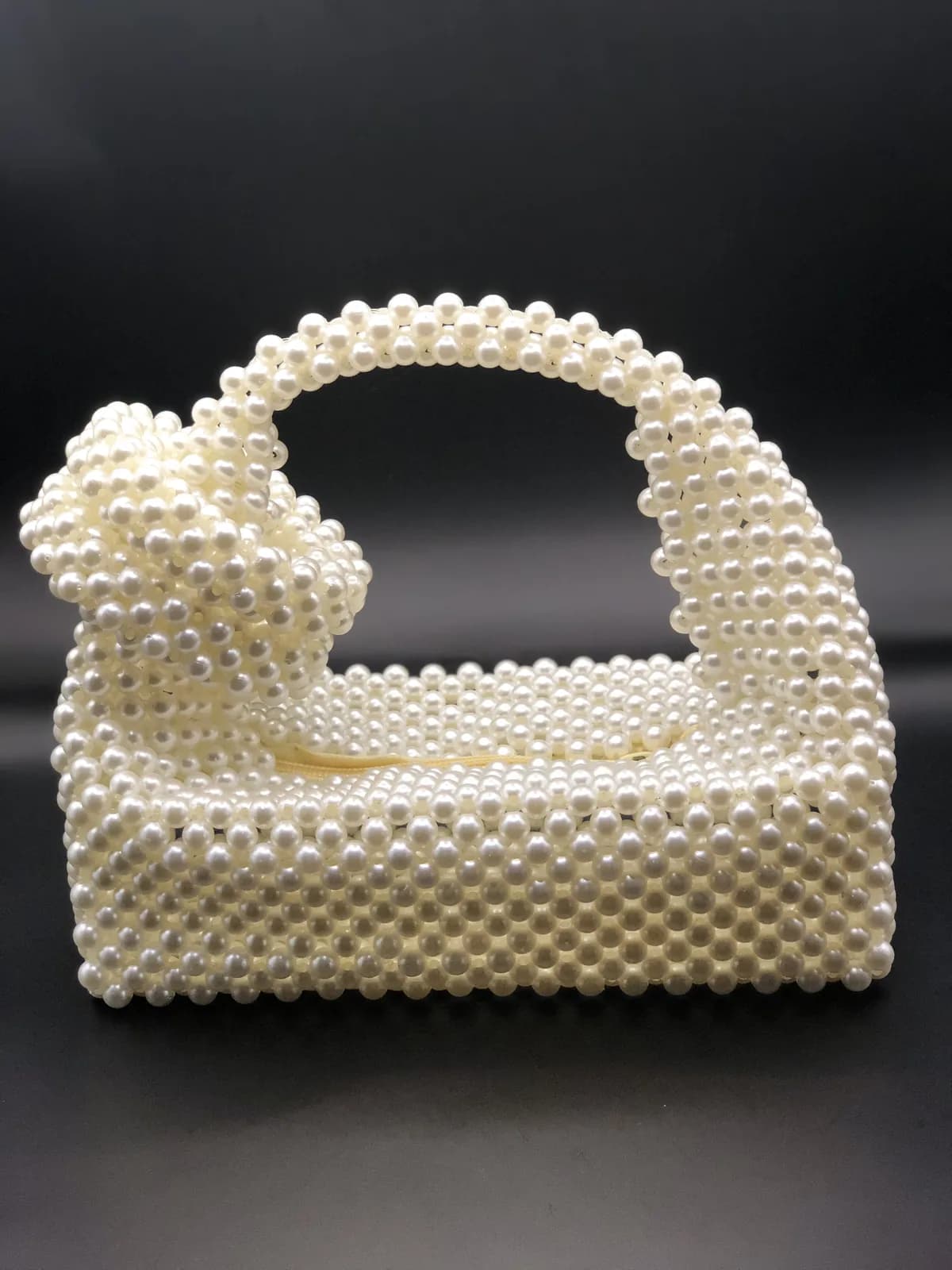
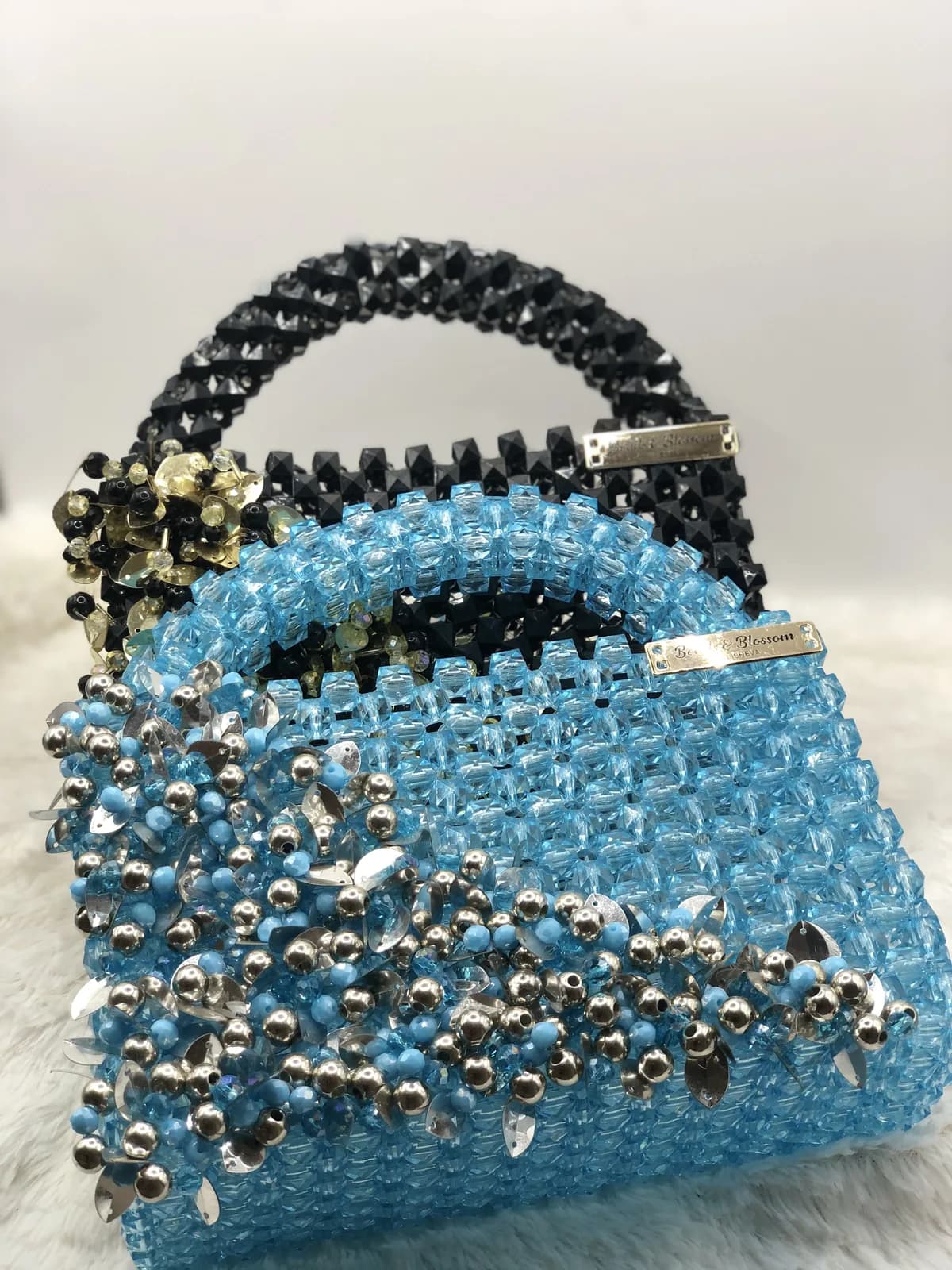
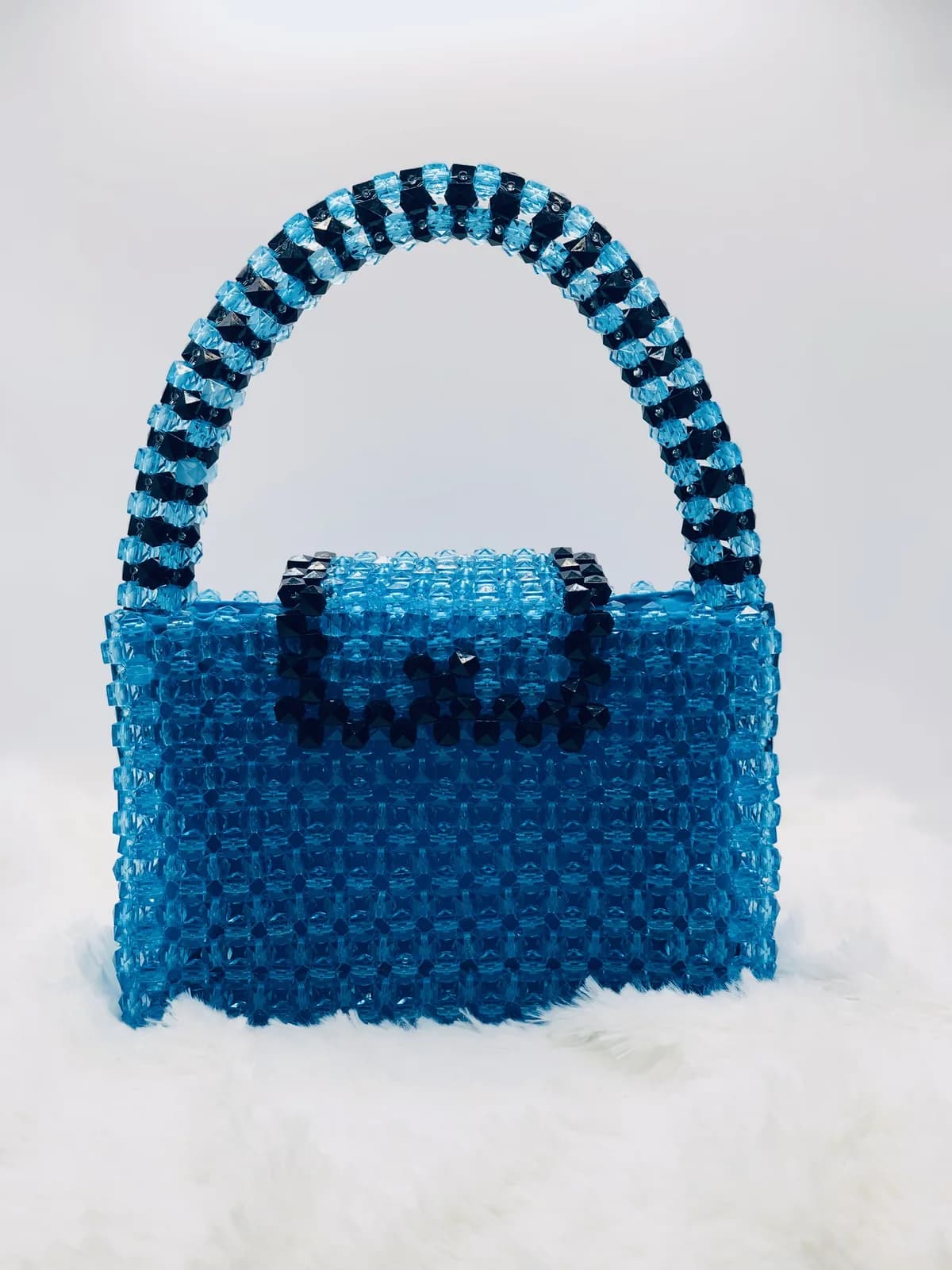
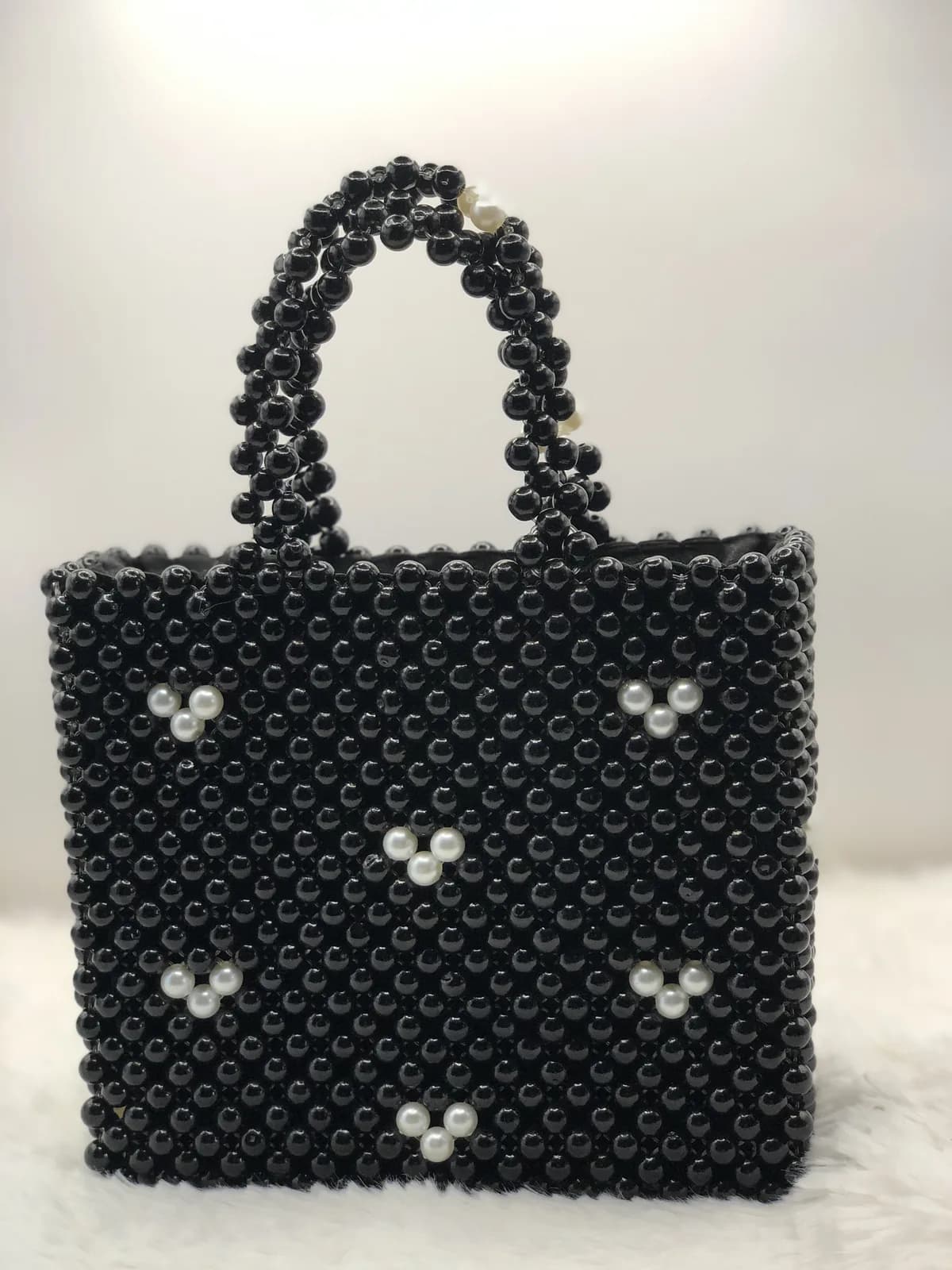
In 2024 she bought beads again, this time for bags. She had never made one and had no idea where to start, so she learned the way most of us learn anything now: YouTube late into the night, plenty of trial, even more error, and the particular heartbreak of finishing four thousand beads, spotting a mistake in row three, and taking the whole thing apart to begin again.
“I am not selling bags. I am selling the six days it took, and the fact that no one else has this one.”
Bead & Bloom by House of Elisheva turned two on 1 October 2026. Two years on, every piece still starts at the same table in Lagos: a colour, a pattern she counts out from memory, and days of slow, careful work.

Four thousand beads, one pair of hands
- 01
Colour first
A shade pulled from adire indigo, harmattan gold or a fabric photo you send us.
- 02
Counted by memory
Every pattern is counted out by hand, roughly 4,000 beads to a bag.
- 03
Strung and stressed
Every strand is double-knotted and weight-tested so it survives real Nigerian Saturdays.
- 04
Wrapped and sent
Beaded pouch, hand-written note, dispatched to any state within three days.